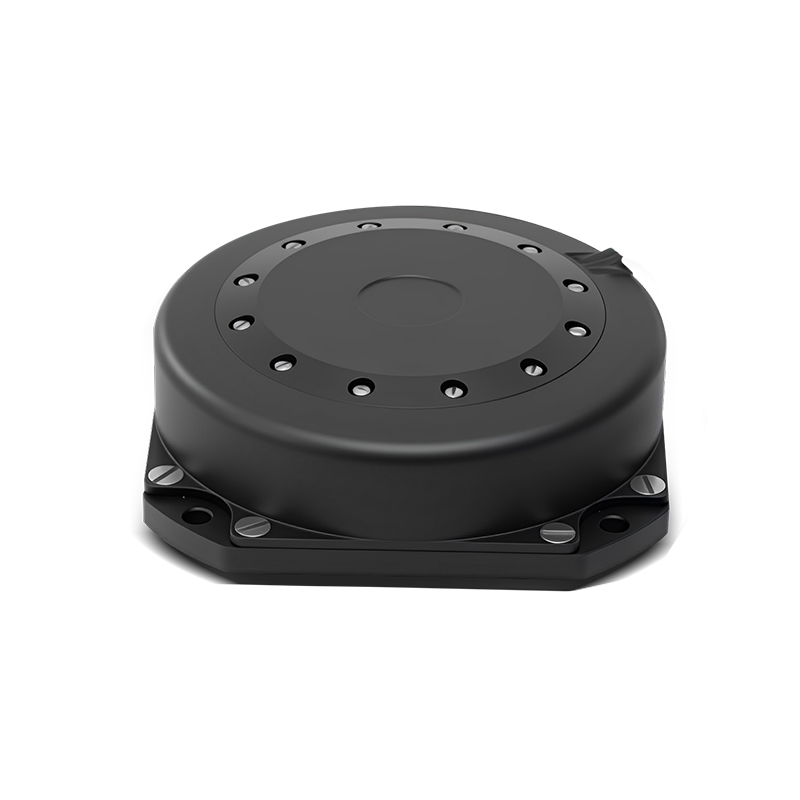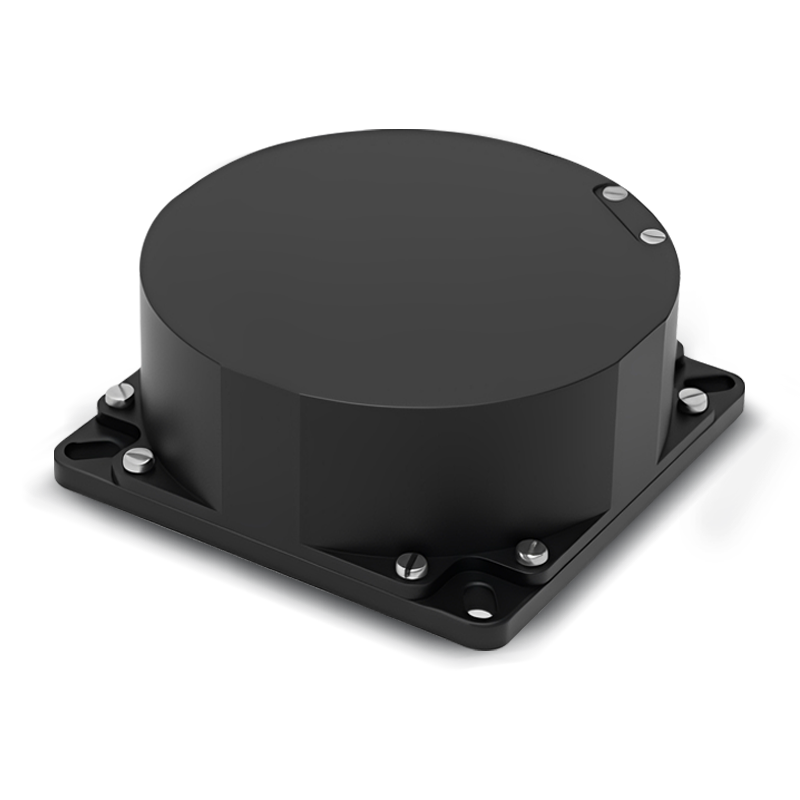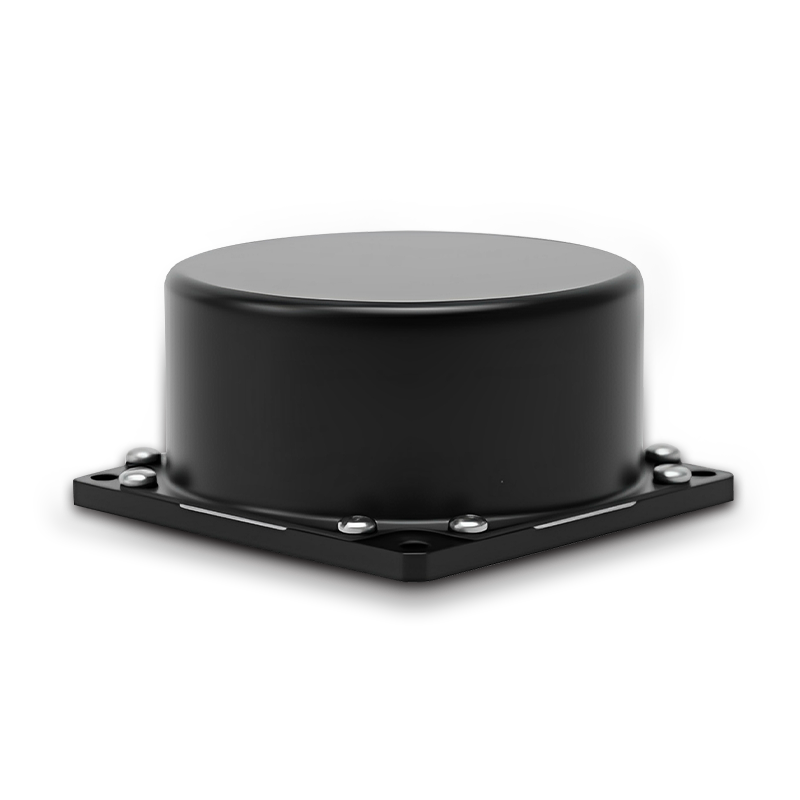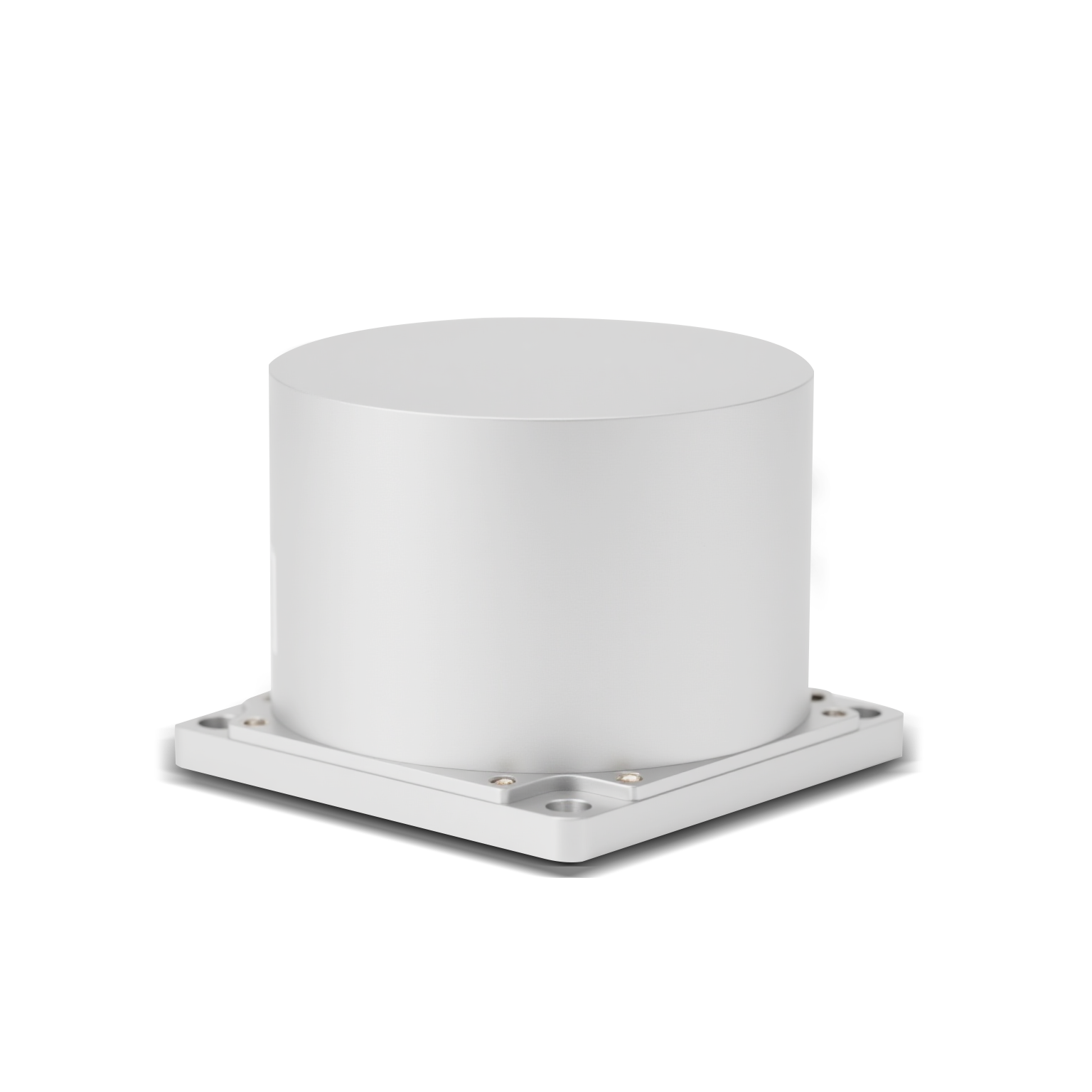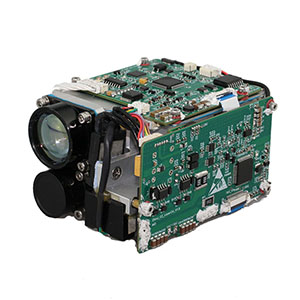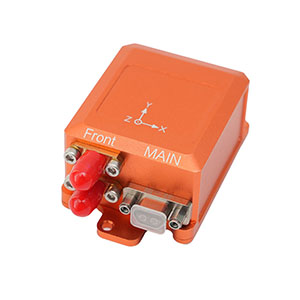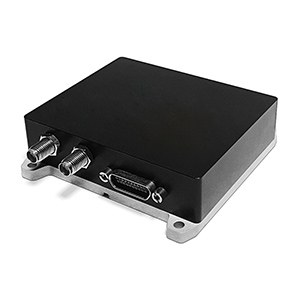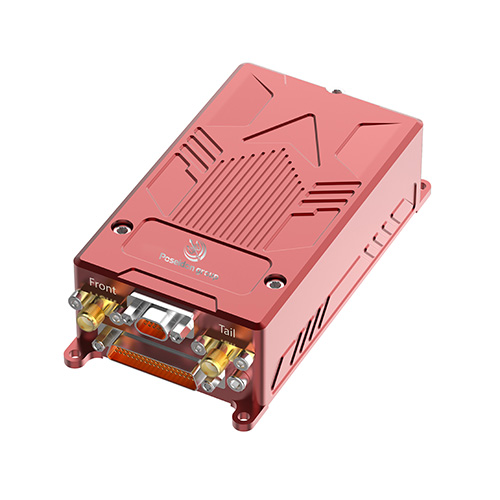
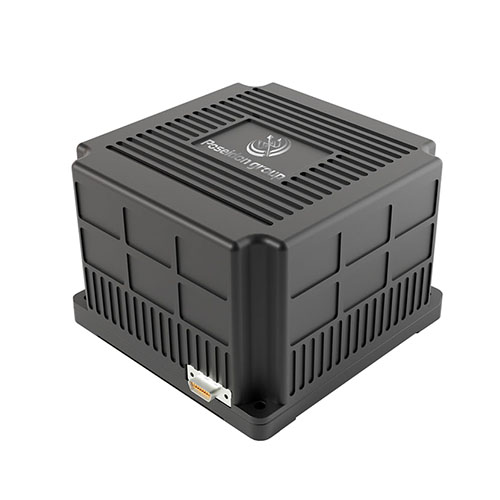
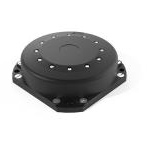
In the rapidly evolving field of navigation technology, Inertial Navigation Sensors (INS) play a pivotal role in various applications ranging from autonomous vehicles to aerospace and defense systems. According to a recent report by Markets and Markets, the global inertial navigation systems market is projected to reach a value of USD 12.93 billion by 2025, driven by advancements in technology and increased demand for accurate and reliable navigation solutions. However, as industries seek alternatives to traditional INS, it is crucial to explore the top alternatives available today. With expertise in independent research, design, and production of fiber optic gyroscopes (FOG) and inertial navigation systems, Poseidon International Group (Hong Kong) Limited stands at the forefront of this innovation. This blog aims to delve into the alternatives, providing insights into their capabilities, advantages, and what you need to know for making informed decisions in your navigation technology journey.

After-sales service plays a crucial role in the performance and longevity of inertial navigation sensors. When companies invest in these sensors, they not only seek top quality in performance but also reliable support in the event of any issues. A solid after-sales service can significantly reduce downtime caused by sensor malfunctions, ensuring that applications relying on precise navigation continue to operate smoothly. This support often includes regular maintenance, troubleshooting assistance, and software updates, which can enhance the overall functionality of the sensors.
Tip: When selecting an inertial navigation sensor, inquire about the after-sales services provided by the manufacturer. Look for warranties that cover extended periods and ensure that technical support is readily available.
Moreover, after-sales service adds value to the investment made in inertial navigation technology. A well-equipped service team can offer tailored advice on optimizing the use of these sensors in various environments, ensuring that users achieve the best performance suited to their unique needs. Additionally, keeping an eye on customer feedback regarding after-sales service can provide insights into the reliability and responsiveness of different manufacturers.
Tip: Establish a relationship with the service team early on; proactive communication can help anticipate potential issues and foster smoother resolutions.

When considering alternatives to the best inertial navigation sensors, it’s crucial to understand the associated repair costs. Much like the soaring expenses in car repairs, where minor damages can quickly escalate into total losses due to high parts costs, the same can be said for sensor alternatives. Choosing the right sensor not only impacts the initial investment but also future repair expenditures. Some sensors, while cheaper upfront, may require more frequent maintenance or replacement, ultimately inflating costs over time.
**Tips**: When selecting a sensor alternative, always inquire about the repair and replacement costs of components. For instance, some sensors might have low upfront costs but high replacement rates, which can lead to unexpected expenses. Additionally, consider the availability of parts and expertise for repairs, as this can significantly affect downtime and operational efficiency. Investing in a slightly more expensive but reliable option could save you from frequent repairs in the long run, making it a smarter financial decision.
In the realm of inertial navigation sensors, understanding the warranty offers associated with various products can significantly influence decision-making for both consumers and manufacturers. A comparative analysis of warranty terms provides insight into the reliability and longevity of these components. With technology evolving rapidly, warranty features such as duration, service terms, and coverage extent can serve as indicators of the manufacturer’s confidence in their product's durability.
Poseidon International Group (Hong Kong) Limited, established in 2013, places a high emphasis on the reliability of their advanced technologies, including fiber optic gyroscopes and inertial navigation systems. By engaging in independent research and maintaining a robust portfolio of technical patents, Poseidon ensures that their products not only meet the demanding expectations of the market but also uphold exceptional warranty standards. This two-stage integrated approach in assessing component reliability is essential for sustainable practices in reuse during their second lifecycle, making an informed warranty analysis pivotal for stakeholders.
When considering the purchase of inertial navigation sensors, long-term support should be a pivotal factor in your decision-making process. As the landscape of technology evolves, the importance of having reliable, ongoing support cannot be overstated. This includes software updates, troubleshooting assistance, and access to expert guidance, which are crucial for optimizing the performance of your navigation systems over time. A sensor provider that offers robust long-term support can significantly enhance the longevity and functionality of your investment.
Moreover, evaluating the manufacturer's track record and customer service responsiveness is essential. Companies that have proven their commitment to post-sale support are more likely to provide a seamless experience, addressing any potential issues that may arise. Ensuring that the navigation sensor you choose comes with comprehensive documentation and a strong community of users can also be beneficial.
Engaging with a network of peers and support resources can lead to improved implementation strategies and innovation in your navigation solutions, thus solidifying the value of your purchase in the long run.
You know, when you're looking at inertial navigation sensors, you really start to see how important service quality is for their performance. I mean, having top-notch service means these sensors get calibrated just right and are kept in shape, which in turn helps provide super accurate positioning and navigation data. This is especially vital in areas where precision is everything—think aviation, self-driving cars, and robotics. A solid service provider not only extends the lifespan of these sensors but also helps prevent those pesky errors that can pop up when technical issues slip through the cracks.
And hey, let’s not forget that service quality goes way beyond just the nuts and bolts of maintenance. It’s also about the know-how and responsiveness of the support team. These sensor technologies can get pretty complex, and when users run into problems, having clear communication and quick help can really boost operational efficiency. So, for companies thinking about investing in inertial navigation sensors, it's super important to team up with service providers who genuinely care about quality. That way, their sensors are sure to perform at their best in real-world situations.
| Sensor Type | Accuracy (m) | Drift Rate (°/hr) | Operating Range (°C) | Service Quality Impact (1-10) |
|---|---|---|---|---|
| MEMS Gyroscope | 0.5 | 0.1 | -40 to 85 | 8 |
| Ring Laser Gyro | 0.01 | 0.01 | -30 to 70 | 9 |
| Fiber Optic Gyro | 0.02 | 0.005 | -40 to 85 | 9 |
| Compact Inertial Sensors | 0.1 | 0.2 | -20 to 60 | 7 |
When selecting an inertial navigation sensor, the choice of provider is just as crucial as the technology itself. A reliable provider should not only offer high-quality sensors but also excel in service and maintenance support. This includes prompt customer service, access to technical expertise, and a comprehensive warranty program. Having a dedicated support team can significantly reduce downtime and ensure that any complications are quickly resolved, enhancing the overall performance of the navigation system.
Moreover, consider the long-term relationship with your sensor provider. Effective maintenance includes regular updates and recalibrations tailored to your operational needs. Providers who offer training sessions for your staff can further improve the effectiveness and reliability of your navigation sensors. A good provider will prioritize maintaining close communication, offering proactive advice on upgrades and best practices, thus ensuring you get the most out of your inertial navigation system while minimizing disruptions in your operations.
: After-sales service is crucial for the performance and longevity of inertial navigation sensors, helping to reduce downtime and ensure smooth operations through regular maintenance, troubleshooting assistance, and software updates.
It adds value to the investment by providing tailored advice for optimizing sensor usage in various environments and enhancing overall functionality.
Look for providers that offer high-quality sensors along with excellent service and maintenance support, including prompt customer service, technical expertise, and comprehensive warranty programs.
Effective maintenance includes regular updates and recalibrations tailored to operational needs, as well as establishing a long-term relationship with your sensor provider for ongoing support.
A dedicated support team can significantly reduce downtime by quickly resolving complications and enhancing overall performance through proactive communication and advice.
Customer feedback is valuable as it provides insights into the reliability and responsiveness of different manufacturers’ after-sales services.
Yes, proactive communication with the service team can help anticipate potential issues and facilitate smoother resolutions.
Not all providers offer training sessions, but those that do can improve the effectiveness and reliability of navigation sensors for your operations.
Inquire about warranties that cover extended periods, as they enhance the assurance of support and service provided by the manufacturer.